
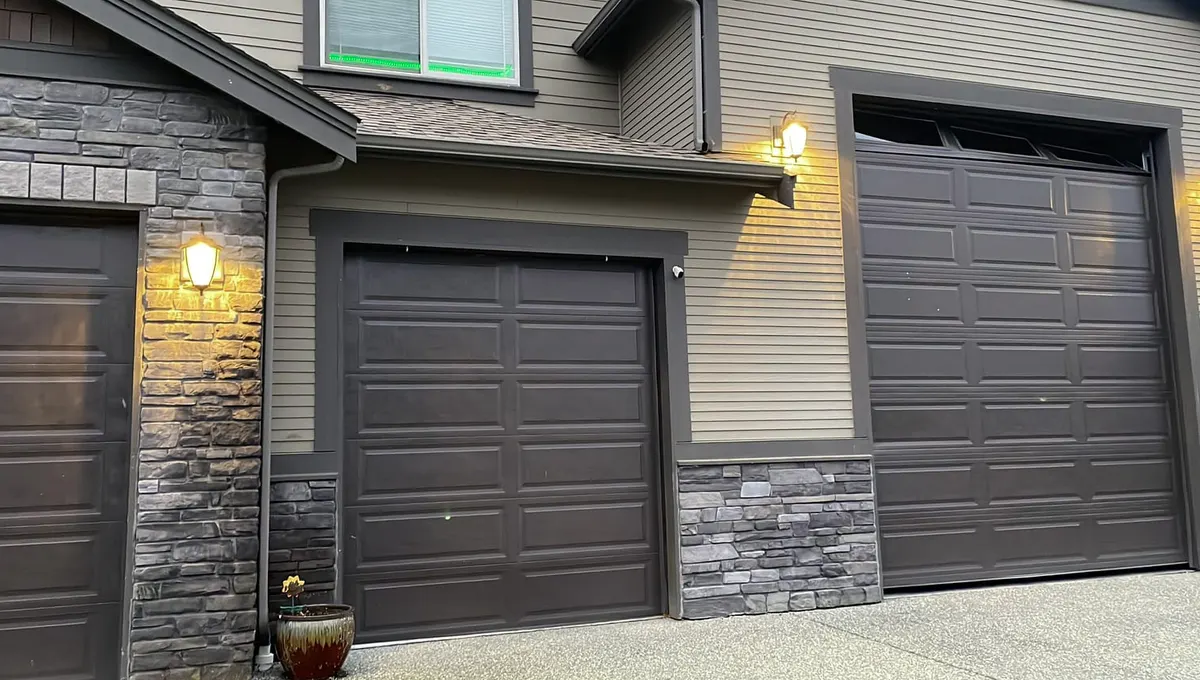
Short answer: windows are worth it if you choose the right glass and placement
For most homes in this area, garage door windows are a good investment—if you choose impact-rated or laminated glass, place the windows high enough to block easy sightlines into the garage, and skip add-on grids that trap moisture against the glass. Get those three things wrong and you end up with a door that looks nice for a year, then fogs, rusts at the frame, or becomes a break-in risk. Here's what actually matters when you're picking windows for a new or replacement garage door.
What windows actually change about your door
Windows do three things: they bring natural light into the garage, they change the look of the door from the street, and they create a small gap in an otherwise solid, insulated panel. That third point is the one homeowners forget. Every window is a seam—a place where the panel's insulation value drops and where weather can eventually find a way in if the seal isn't good.
In a climate with afternoon downpours most of the year and a real hurricane season, that seam matters more than it would in a drier part of the country. Humidity works on glass seals and metal frames the same way it works on everything else outside: slowly, and worse if water sits against a surface instead of running off.
Light vs. privacy: what to look for
If you want light without turning your garage into a display case, look for:
- Frosted, obscure, or tinted glass instead of clear — lets light through but blocks a clear view of tools, bikes, or an open garage door opener control panel.
- Windows placed in the top panel only, at a height where someone standing on the driveway can't see straight in.
- Smaller individual panes rather than one large window — a row of small windows gives you plenty of light with less sightline into the garage than one big pane at eye level.
If privacy isn't a concern — say your garage is used for storage, not a workshop with valuables in view — clear glass is fine and lets in more usable light.
Security trade-offs: what to look for
A garage door window is a potential entry point, so it's worth asking a few pointed questions before you buy:
- Is the glass tempered or laminated? Tempered glass breaks into small, dull pieces instead of sharp shards, which matters for both safety and the time it takes an intruder to clear an opening.
- How is the window secured to the panel? Windows that are bolted or riveted into a reinforced frame are harder to pop out than ones held in with simple clips or adhesive trim.
- Is the window placed where someone could reach the manual release or opener wiring through it? This is a real issue on some low-mounted window designs — a window near the top corner, away from the emergency release cord, is the safer layout.
Insulation trade-offs: what to look for
If you're choosing between an insulated steel door with windows and a non-insulated door with windows, the window glazing matters almost as much as the door panel:
- Single-pane glass is cheaper but offers almost no insulation value and is more prone to condensation on humid mornings.
- Double- or triple-pane insulated glass costs more but holds up better against heat gain in summer and reduces condensation inside the pane — a real issue when humidity swings hard between a cool night and a hot, muggy day.
- Low-E or tinted insulated glass cuts down on solar heat coming through the window, which is worth it if your garage sits in direct afternoon sun.
What to ignore
- Decorative snap-in grids that sit on top of real glass — they look like divided panes but do nothing for insulation or security, and they're one more place for moisture and dust to collect.
- Unusual shapes (arches, diamonds, circles) — they cost more to replace if damaged and rarely add real light or value.
- Window count for its own sake — four small windows across the top panel usually look better and cost less than one oversized window, and they don't meaningfully improve light beyond that point.
Questions to ask before you buy
- Is the glass tempered or laminated, and is it rated for wind-borne debris if the door itself is impact-rated?
- What's the warranty on the window seal — do insulated panes have a separate warranty from the door panel?
- Can the window inserts be replaced individually if one cracks, or does the whole panel need to come out?
- How is the window frame sealed against the door panel, and what's the maintenance to keep that seal in good shape in a humid climate?
When to call Nichols Door & Opener
If you're ordering a garage door replacement and want windows built in from the start, we'll walk you through glass options that hold up to wind-load requirements and Florida humidity without turning your garage into a fishbowl. If you already have a door with windows and you're seeing fogged glass, a rusted frame, or a window that's come loose from the panel, that's a job for cable & roller replacement or a straightforward panel repair — usually fixable without replacing the whole door.
If you're in Nichols, Bartow, Mulberry, Fort Meade, Lakeland, Bowling Green, or Wauchula and you're weighing window options for a new door or dealing with trouble on an existing one, give Nichols Door & Opener a call. We'll look at what you've got, tell you straight whether it needs a repair or a replacement, and get it done right the first time.